Your Most Challenging Patients Are Waiting for You to Think Differently
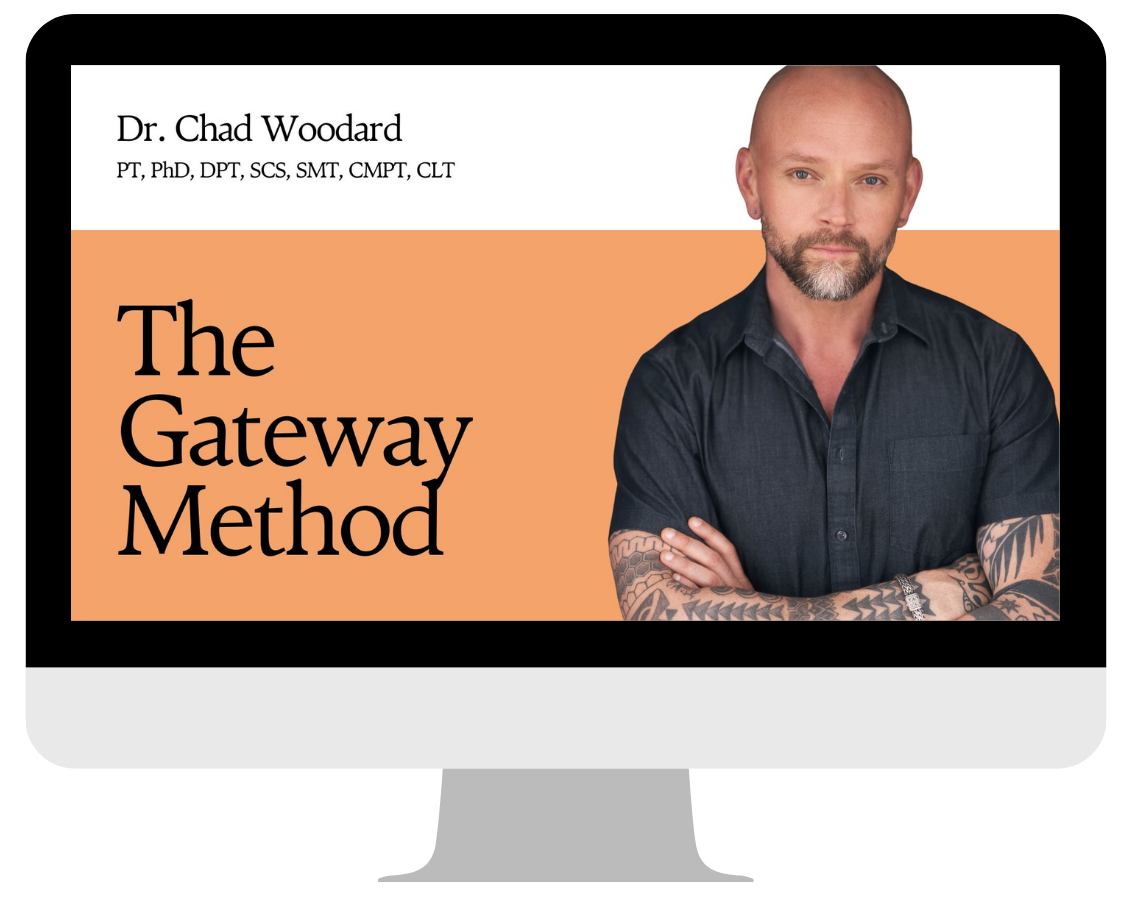
Welcome To The Gateway Method
This isn't about learning more and more techniques. This is about having a robust clinical reasoning framework for the complex patients no protocol prepared you for.
Just $697
as seen in


Secure Your Spot Before Early Registration Closes
Just $697
You're Not Missing Effort.
You're Missing a Way to Organize the Search.
You do thoughtful work. You stay current. You care about your outcomes. But there's a patient on your schedule right now that you're not looking forward to seeing. Not because you don't care, but because you've tried everything reasonable and nothing is holding. And there's a feeling you can't shake. You know that feeling — the quiet one that shows up between sessions. The one that asks whether you're seeing the whole picture. Whether you started in the right place. Whether the next intervention will be any different from the last three.
That feeling isn't a sign you're not good enough. It's a sign that the CE track trained you to find problems, not to organize the search for what's actually driving them.
That's the gap The Gateway Method is built to close.
What You’ve Been Missing Is a Clear Way to Work Through the Problem
Every CEU course you've ever taken promises better outcomes by closing another knowledge gap. Learn another technique. Add another assessment. Put another tool in the toolbox.
But more clinical knowledge doesn't automatically give you better clinical reasoning.
What happens when the patient in front of you has already been treated appropriately, the usual protocols have been tried, and they still aren't getting better? Or when you're standing in the treatment room with ten plausible findings and no clear sense of which one actually matters?
Most clinicians do what feels responsible. They work harder at the same problem, reach for another technique, or start trying different tools in the hope that something finally moves the needle.
The Gateway Method gives you a different option.
It gives you a structured way to organize the patient's story, identify where it makes the most sense to look next, generate a defensible hypothesis, and use the patient's response to decide whether to stay the course or change direction.
The Gateway is the place where you choose to begin that investigation. The Lock helps explain what may be preventing change. The Key is the intervention you select to test the hypothesis.
The goal isn't to give you another protocol. It's to give you a way forward when the protocol stops working.
By the end of this course, I want you to feel less like you're randomly trying techniques and more like you're following a map. You may not know the answer yet. But you'll know what question to ask next and why.
What You’ll Walk Away With
This course is designed to give you more than information. You'll discover a way of thinking that changes how you approach every complex patient you see.
Know Where to Begin and Have a Reason You Can Stand Behind
I'll teach you how to move from a patient's story to a defensible first hypothesis. Not a guess. A reasoned starting point you can explain, test, and revise.
See the Pattern Behind the Presentation
You'll stop reacting to whichever finding is loudest and start recognizing what's actually organizing the patient's symptoms. The painful region isn't always where the conversation starts.
Understand What's Holding the Patient Back
I'll teach you the five lock types — Mechanical, Motor, Protection, Trust, System — so you can identify what's preventing change before you choose an intervention. The right key only works on the right lock.
Use the Patient's Response to Guide Every Decision
You'll learn to read reassessment as clinical data, not just "better or worse", but what the change is telling you about whether your hypothesis was right, and what to do next if it wasn't.
Work Through a Complete Case in Real Time
I'll walk you through a full patient case from the first word to discharge; every decision, every pivot, every moment the map changed. You'll see exactly how the framework moves in practice, not just in theory.
Know When to Stay, When to Pivot, and When to Stop
Clinical judgment isn't just about finding the gateway. It's about knowing how long to stay with a hypothesis, recognizing when the framework itself is breaking, and asking the question that separates curiosity from stubbornness: is this for the patient, or is this for me?
This isn’t about memorizing steps.
It’s about understanding what you’re seeing so your decisions become clear.
How the Course Is Structured
The Gateway Method is a self-paced online course built across 13 modules and approximately 14 hours of instruction. You move at your own pace. There are no live sessions, no required schedules, and no expiration on your access.
Every module is built the same way I teach in the clinic. I don't just tell you what the framework says. I show you how I think through a real patient using it, what I'm looking for at each step, and what the response tells me about whether I was right. The reasoning is what you're learning. Not the steps.
Module 0: Welcome to The Gateway Method
The course opens with an important story: a traveler, a fortress, and a gate that won't open no matter how hard it's pushed. It's the foundation of everything the framework teaches. You'll complete this module having a clear picture of exactly what this course does and doesn't cover.
Module 1: Why Patients Plateau
This module explores why good clinicians get stuck with complex cases, not because they lack technique, but because they're missing a way to organize the search. You'll complete this module able to recognize the five drift patterns that pull clinical reasoning off course, and understand why the gateway concept changes the way you approach a patient who isn't responding.
Module 2: The Missions and What Success Looks Like
Every session has a mission. Healing. Optimization. Often both. But returning a patient to their prior level of function isn't automatically the finish line. You'll complete this module knowing how to identify which mission is active at any given visit, and with an expanded definition of success that goes beyond symptom reduction to the life the patient is actually trying to recover.
Module 3: The Meaningful Task
The most important thing a patient tells you isn't always what hurts. It's what they miss. This module introduces the Meaningful Task as the primary clinical tool for both directing treatment and honestly reassessing whether it's working. You'll complete this module knowing how to identify the task that matters most to your patient, and understanding why it tests your clinical hypothesis as much as it tracks their progress.
Module 4: Gathering Intelligence
The interview isn't a symptom checklist. It's a tour of someone's house. This module reframes both the subjective and objective examination as a single continuous conversation, teaching you how to listen for closed doors, follow chronology, and examine with a purpose rather than a protocol. You'll complete this module understanding the difference between information and intelligence, and knowing how to direct your attention toward the findings that actually change what you do next.
Module 5: Finding the Gateway — Locks and Keys
A gateway is not necessarily the area with the greatest impairment. It's the place through which meaningful change becomes possible. A lock explains why it remains stuck. A key is the intervention matched to that specific lock. This module introduces all three concepts in full, including the five lock types — Mechanical, Motor, Protection, Trust, and System — and teaches you how to select an intervention based on what's actually preventing change, not habit or preference. You'll complete this module with the complete vocabulary and logic of the Gateway Method, and the ability to start applying it to your own patients.
Module 6: Finding Your Bearings — Uncertainty and Rotation
Every clinician has stood beside a treatment table with ten plausible findings and no clear sense of which one actually matters. This module names that experience, introduces the concept of panic treating, and explains why rotation became the organizing principle of the Gateway Method. You'll complete this module understanding what a Center of Rotation is, why only four were selected, and how they function as clinical landmarks when the reasoning goes quiet.
Module 7: Centers of Rotation — Feet and Pelvis
The foot is the nervous system's first conversation with the outside world. The pelvis is where vulnerability and power occupy the same space. This module reframes both regions completely. You'll complete this module understanding borrowed rotation, why the painful tissue isn't always the guilty tissue, and why pelvic symptoms reach into identity in ways other presentations don't.
Module 8: Centers of Rotation — Thorax and Upper Cervical Spine
The thorax is the body's great accommodator. The upper cervical spine exists to orient. This module covers the final two Primary Centers of Rotation and closes with a complete clinical story: a triathlete, four regions, one finding that mattered most, and the full reasoning process that led there. You'll complete this module having watched the entire COR survey applied to a real case, and understanding how to choose a first door when every region offers something interesting.
Module 9: Widening the Search
Most complex patients yield to the Primary Centers of Rotation. Some don't. This module teaches you what to do when the primary survey is quiet, introducing the Secondary Centers of Rotation and the complete decision sequence from first word to last resort. You'll complete this module knowing how to distinguish a genuine new finding from novelty bias, and understanding why no single intervention should ever become your clinical identity.
Module 10: Reading the Map
A forty-three-year-old runner. Anterior hip pain. Eighteen months of treatment. Six previous clinicians. Nothing lasted. This module walks the complete Gateway Method reasoning process in real time, from the first question to the final session. You'll complete this module having watched every decision, every pivot, and every moment the map changed, including the moment the hip finally earned the conversation everyone expected to happen first.
Module 11: Clinical Judgment
Knowing where to begin is only part of the work. This module teaches the three clinical judgment skills that no CE course covers: knowing when to stop treating, recognizing when the framework itself is breaking, and understanding how long to stay with a hypothesis before changing direction. You'll complete this module with the two-to-three session rule, a self-diagnostic for framework bias, and the question that separates curiosity from stubbornness: is this for the patient, or is this for me?
Module 12: The Gateway Mindset — Capstone
The course closes by returning to the question that matters most: what kind of clinician uses this framework well? Not one who needs certainty. One who can think clearly within uncertainty. You'll complete this module with the Monday morning sequence — a complete, practical framework for your next patient encounter — and a different relationship to the complex cases that used to feel like something to survive.
What Clinicians Are Saying About learning From Chad
Clinicians don’t just need more information. They need clarity. Here’s what that looks like when it clicks:
"Awesome"
“Working with Chad, we would co-treat patients and clean up not only my clinical reasoning, but also improve evaluation and treatment in real time. Seeing that process unfold changed everything about how I approach patient care.”

Dr. Stavros Vouyiouklis, PT, DPT, FAAOMPT
"Breakthrough"
“Chad provided mentorship that was essential in my development as a therapist and individual. He consistently offered feedback that refined both my clinical reasoning and hands-on techniques.
He creates an engaging learning environment where students feel comfortable thinking critically and actively participating. Among all the educators I’ve encountered, he stands out as one of the most impactful.”

Dr. Veronica Cherne, PT, DPT, FAAOMPT
"Transformed"
“Chad's commitment to professional development and clinical excellence was evident from the moment I met him. Clinical growth was at the foundation of everything.
Whether it was open discussions or structured teaching, he consistently created opportunities to improve as a clinician. He has been one of the most influential people in my journey as a physical therapist.”
Jake Rappaport, DPT (HSS)
This is the difference between learning techniques… and learning how to actually think through the problem.
Start Approaching Complex Patients Differently
Early registration is open. When the timer hits zero, the price goes up.
What's Included:
Standard
$697
From the foundation of clinical reasoning through to full case application and clinical judgment. Approximately 14 hours of instruction built around how I actually think in the room, not just what the framework says.
Gateways, Locks, Keys, and the four Primary Centers of Rotation. A structured way to find where the patient is available for change, understand what's holding them back, and match the right intervention to the right problem.
Every decision, every pivot, every moment the map changed — from the first question to discharge.
When to stay with a hypothesis, when the framework is breaking, and when to stop. The three skills no CE course teaches.
Return to any module at any time. The framework compounds with clinical experience.
If you go through the material and feel it wasn't worth the investment, reach out within 30 days and we'll refund your money.

meet your instructor
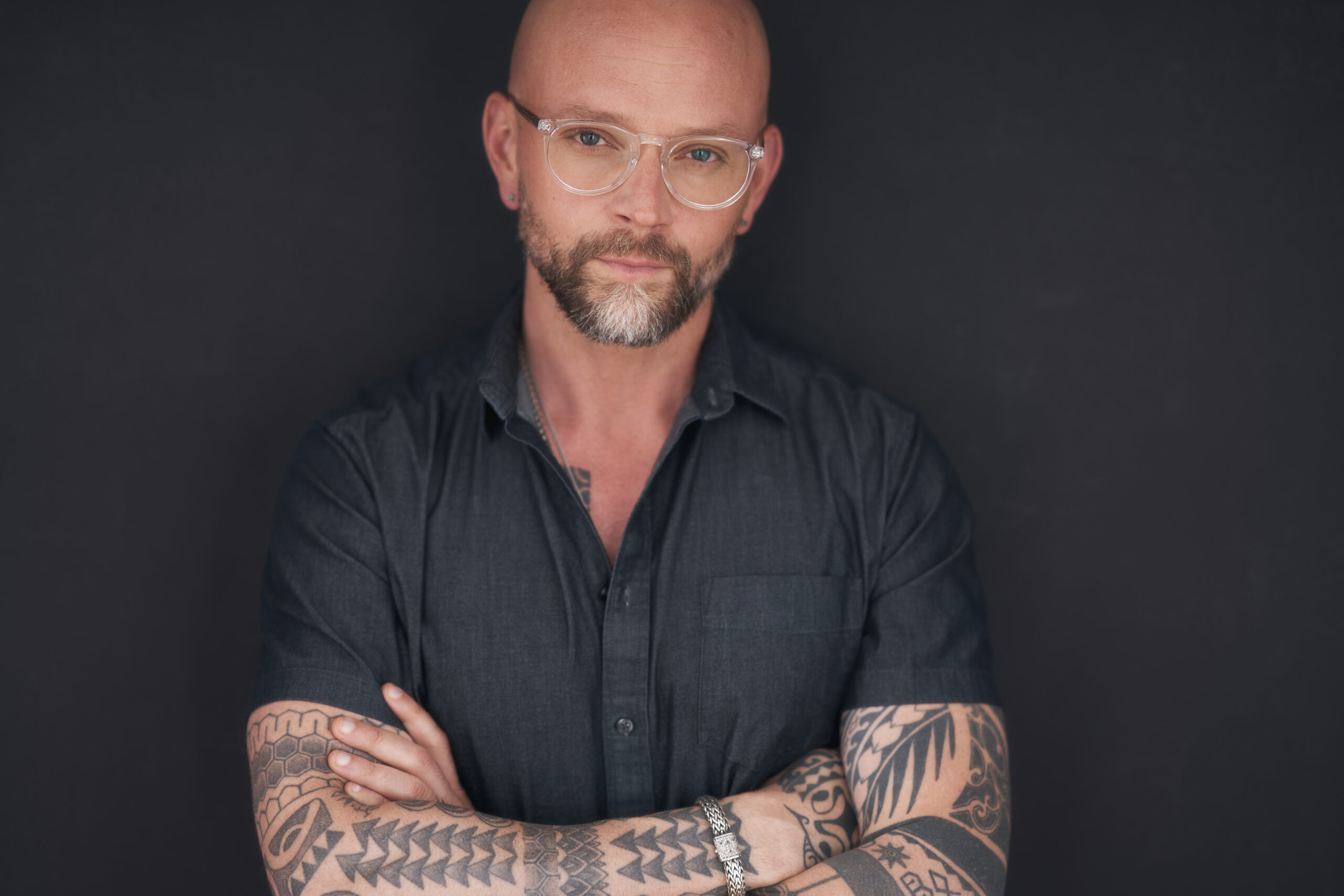
Dr. Chad Woodard
Chad is a physical therapist, clinical educator, and founder of Symbio Physio NYC. He holds a doctoral degree in physical therapy alongside a PhD and clinical specialist certifications in sports, manual therapy, and lymphedema. He has spent decades treating complex musculoskeletal patients, teaching clinical reasoning, and developing the Gateway Method as a direct response to the gap he kept seeing between what continuing education teaches and what complex patients actually need.
Frequently Asked Questions
I've taken a lot of CE courses and none of them changed how I actually treat. Why would this be different?
Because most CE courses are built around a technique or a region. They assume the problem is a knowledge gap, so they fill it with more anatomy, more assessment, or more intervention options. The Gateway Method is built on a different diagnosis entirely. The problem isn't what you know. It's that no one gave you a way to organize what you already know when the protocol stops working. That's what this course teaches. If you go through it and genuinely feel it didn't change how you think in the room, the 30-day money-back guarantee covers you.
Is this course for newer clinicians or more experienced ones?
Both, but for different reasons. If you're earlier in your career, this course gives you a way of thinking about complex patients that most clinicians spend years building through trial and error. You'll build better habits from the start. If you're more experienced, this is where things start to connect on a deeper level. The five drift patterns, the clinical judgment module, the framework for staying with a hypothesis versus changing direction — these land differently when you've already lived them. Either way, expect to be challenged.
I don't specialize in pelvic health. Is this still relevant to me?
Yes. Pelvic presentations appear throughout the course because they expose the limits of localized, symptom-driven reasoning in ways few other areas can. But the Gateway Method is a whole-body clinical reasoning framework. It applies to shoulders, spines, runners, post-op patients, chronic pain cases — any patient whose symptoms don't cleanly resolve with a standard approach. The framework doesn't care about the region. It cares about the system.
Can I really learn clinical reasoning from an online course?
Clinical reasoning is exactly what can be taught online. It's a way of thinking, not a manual skill. What you'll see is how I think through a real patient — what I notice, what questions I ask, what findings earn my attention, and what the patient's response tells me about whether my hypothesis was right. That reasoning is transferable to any patient you see. What this course doesn't include is hands-on technique execution. That belongs in a room with a real body. This course builds the foundation that makes that work meaningful.
I'm already overwhelmed by complex patients. Will this make things more complicated?
The opposite. The overwhelm usually comes from having too many plausible options and no clear way to prioritize them. The Gateway Method doesn't add more options. It gives you a way to decide which ones deserve your attention and in what order. In my experience, once clinicians have a way to organize the search, the complex case stops feeling like something to survive.
How much time do I need to complete the course?
The course is approximately 14 hours of instruction across 13 modules. It's entirely self-paced with no deadlines and lifetime access, so you can move through it at whatever pace your schedule allows. Most clinicians work through it in focused sessions over several weeks, returning to specific modules as cases in their practice bring the concepts to life.
What if I start the course and it's not what I expected?
There is a 30-day money-back guarantee. If you go through the material and feel it wasn't the right investment, reach out within 30 days and I'll make it right. No complicated process.
What happens after I finish the course?
The reasoning foundation you build through the Gateway Method online course is what the live practicum is designed to build on — hands-on application of the Gateway Method with Chad in the room. Information on upcoming live instruction opportunities will be available to course graduates.
Copyright 2026 Ⓒ Symbio Academy. All Rights Reserved