For PTs and clinicians who’ve hit a wall with their most complex patients
Why Your Most Complex Patients Stall, Even When You’re Doing Everything Right
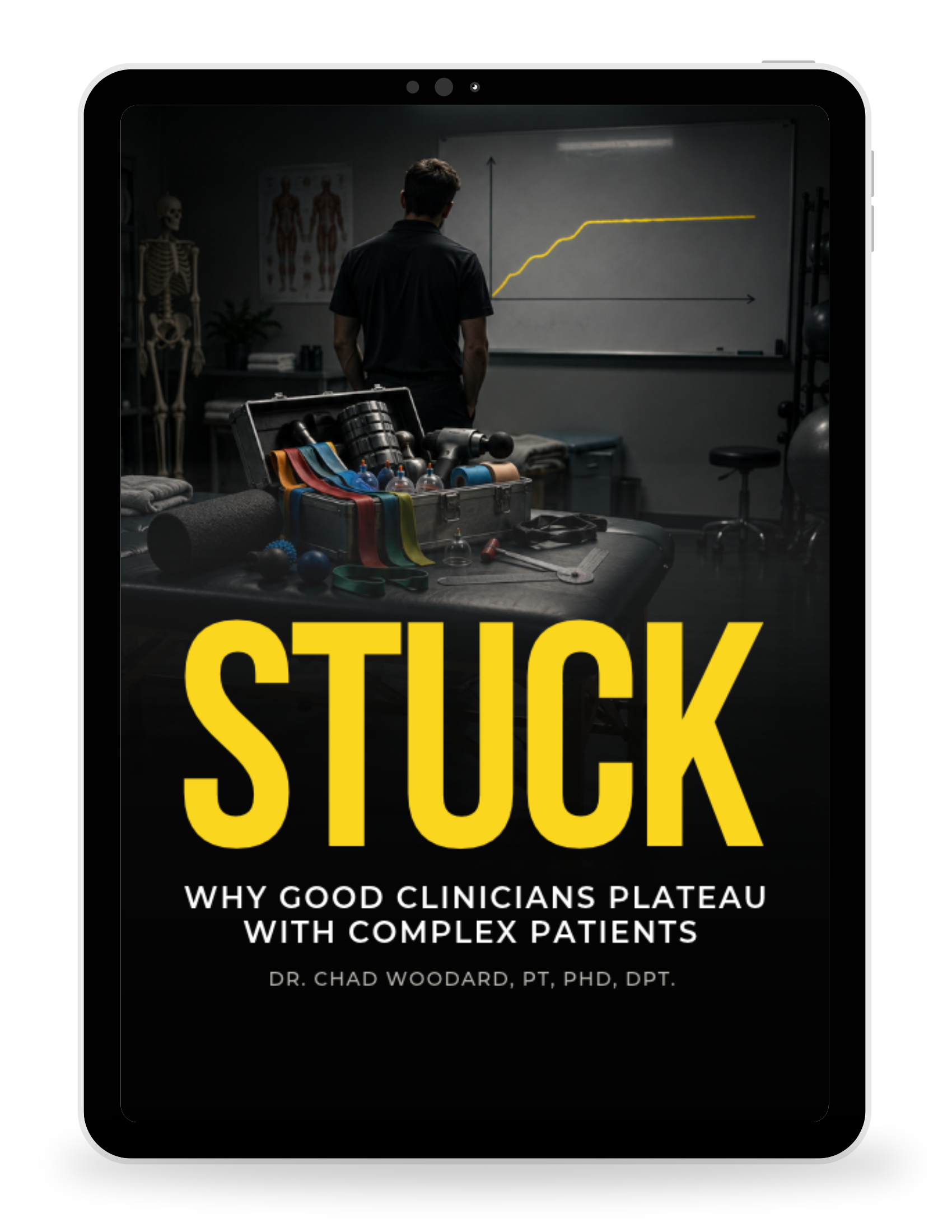
A free ebook, with three companion videos, for clinicians who’ve collected the courses and techniques and still find themselves beside the treatment table thinking, "Now what?"
as seen in


You’re Not Missing Effort.
You’re Missing a Way to Organize the Search.
You know the moment. The interview went well and the exam was thorough, so anyone watching from across the room would think everything was going the way it should, but inside your head, it sounds a little different.
"What am I missing?" "Don’t just stand here. Do something!" So you do something. Another test, another mobilization, another exercise, because almost anything feels better than standing still with uncertainty. Sometimes it even works, which is exactly what makes the pattern so hard to see. But the cases that don’t work stay with you, and the frustration keeps building. You leave those sessions with pages of notes and a plan to study frantically until you find the answer. You sign up for another course, hoping this one holds the missing piece. And somewhere around year two, or year twenty, that frustration starts turning into doubt.
"I still don’t know what I’m doing more often than I’m comfortable with."
I know that feeling. Deeply. For years I was convinced the answer was to know more, so I went looking for knowledge all around the world. I took the courses, learned the techniques, and collected nearly every letter in the alphabet after my name. Every year I felt more prepared, and yet every so often I’d still find myself beside a treatment table with that same familiar feeling creeping into the back of my mind.
The realization that finally changed my practice came from the search itself, and it had very little to do with technique. It’s the reason I wrote Stuck.
What Changes When You Understand Why You’re Stuck
Why I Wrote Stuck, and the Patient Who Inspired It
Back in 2009, a recreational ballroom dancer came to me with low back pain that kept pulling her out of the classes she loved. I did everything I’d been taught. She improved enough to keep us hopeful, then plateaued, and when her MRI showed a spondylolisthesis, I told her dancing might no longer be a safe choice. I watched the realization settle across her face that she might be losing something she deeply loved. She left my care shortly afterward, and I’ll never know what happened to her.
Not every patient remembers exactly what we say. Sometimes they remember how we made them imagine their future.
That’s why I wrote Stuck. I spent years thinking I needed a better technique, when what I needed was a better way to think, and I’d rather you get there sooner than I did.
“Chad's commitment to professional development and clinical excellence was evident from the moment I met him. Clinical growth was at the foundation of everything.
Whether it was open discussions or structured teaching, he consistently created opportunities to improve as a clinician. He has been one of the most influential people in my journey as a physical therapist.”
Jake Rappaport
DPT (HSS)
meet the author
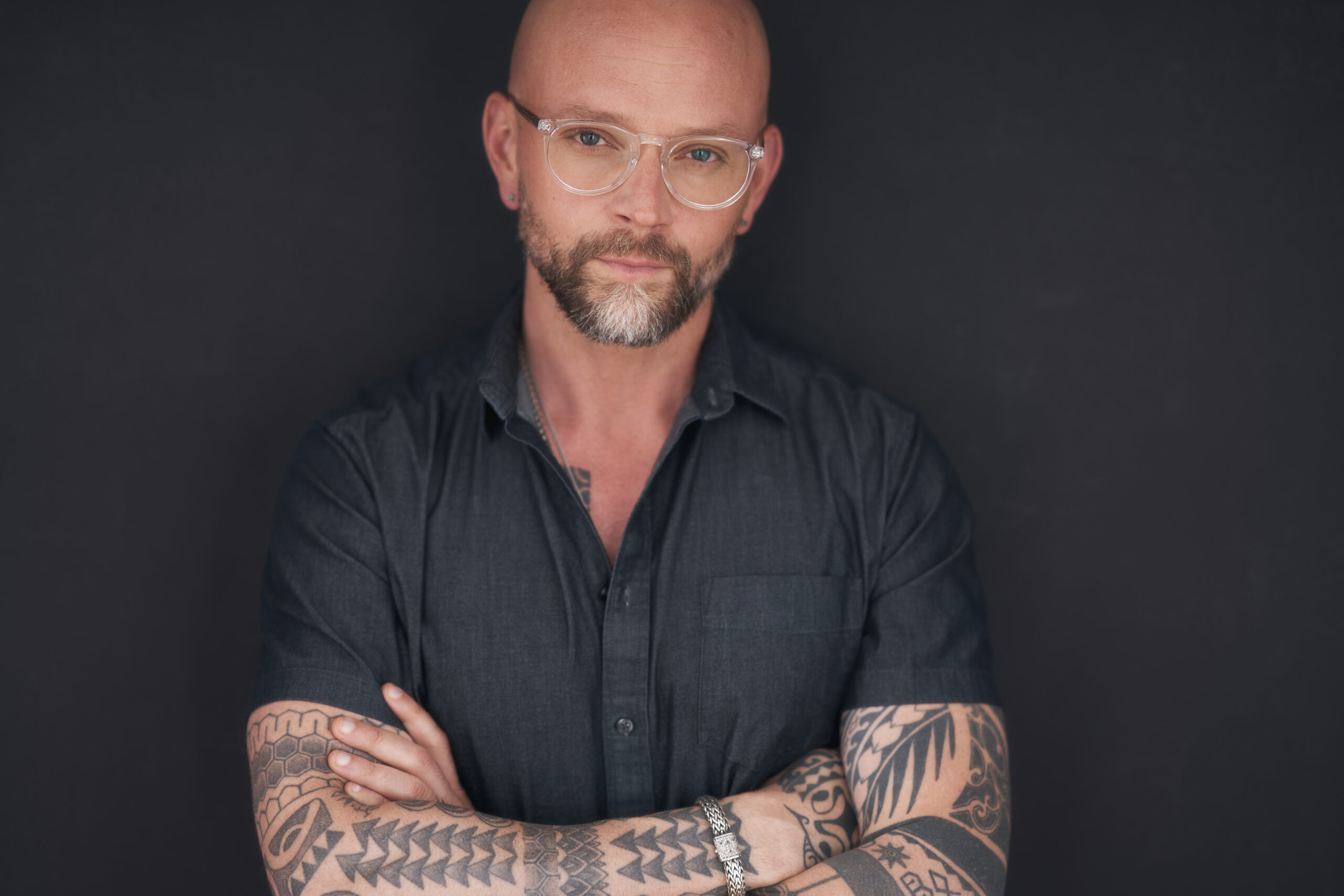
Dr. Chad Woodard, PT, PhD, DPT, SCS, SMT, CMPT, CLT.
Chad is a physical therapist, clinical educator, and founder of Symbio Physio NYC. He holds a doctoral degree in physical therapy alongside a PhD and clinical specialist certifications in sports, manual therapy, and lymphedema. He has spent decades treating complex musculoskeletal patients, teaching clinical reasoning, and developing the Gateway Method as a direct response to the gap he kept seeing between what continuing education teaches and what complex patients actually need.
You Already Have the Tools
What most of us were never given is a way to decide where to begin. Stuck is the first step. Read it, then watch the three companion videos to learn how to finally move your stuck patients past their plateau.
Copyright 2026 Ⓒ Symbio Academy. All Rights Reserved
OptimizePress Popup Overlay
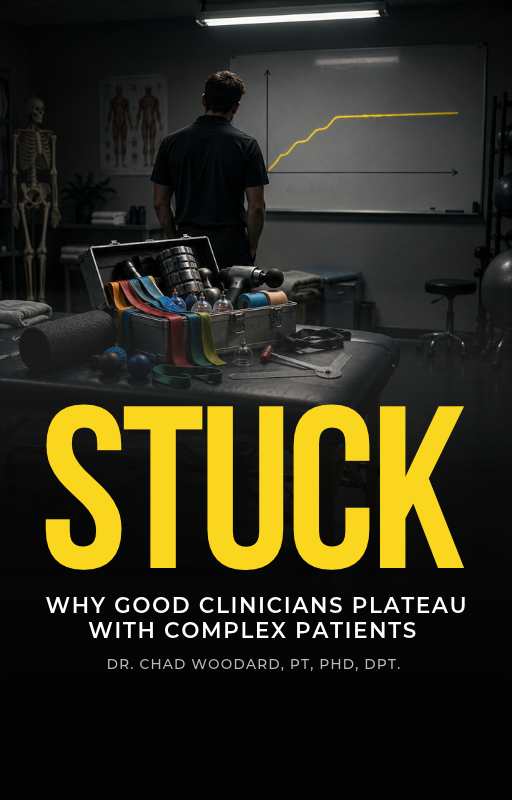
You're almost there! Fill out the form below to get instant access to Stuck, Why Good Clinicians Plateau With Complex Patients
We process your personal data as stated in our Privacy Policy. You may withdraw your consent at any time by clicking the unsubscribe link at the bottom of any of our emails.